St. Louisans take great pride in their unique brick courtyards, quintessential outdoor spaces steeped in the city’s architecture. But those same gorgeous characteristics that make properties stand out in neighborhoods like Soulard and Lafayette Square are creating an unforeseen dilemma.
In St. Louis, the humid summers, the historic brick homes, and the courtyard style have created prime real estate for these wasps. Paper wasps and yellowjackets are among the most common stinging insects in the region, and they have everything they need in local courtyards. If you continue to have wasp problems, Collinsville exterminators can safely evaluate your situation.
Why Brick Courtyards Are Surprisingly Attractive to Wasps
The wasps are just what the brick courtyards have been looking for: cover, warmth, and proximity to food sources. The spaces between the bricks’ mortar make ideal crevices for nest construction, and the relatively coarse surface of aged St. Louis brick provides a good surface for wasps to grasp.
Many courtyards in the city are recessed with overhangs and adornments that protect nests from rain and wind. Additionally, the semi-protected courtyards limit airflow, delivering bees to a stagnant, sheltered milieu they favor. Throw in outdoor dining spots and trash cans, as St. Louis courtyards do, and you have created a wasp resort.
Water Features That Boost Wasp Activity
St. Louis courtyards are adorned with fountains, birdbaths, and decorative ponds that wasps love. In particular, the hot, muggy summers in the region, where temperatures routinely soar into the 90s, require them to have reliable water sources. If your serene water feature serves as an all-you-can-drink buffet, then standing water gives their families somewhere to drink and cool off their nests.
Human Habits That Invite Wasps Into Courtyards
In fact, some of your daily routines may be opening the door to wasps without your knowledge. The following are the behaviors that encourage wasps to swarm, most often:
- Outdoor dining and entertaining: We provide easy access to the proteins and sugars wasps seek when we grill burgers, drink sweet tea, and buffet with fruit platters.
- Leaving trash bins uncovered: In many St. Louis homes, the garbage is kept in garden areas, and an open or rash lid spreads food aromas in the air, advertising a free meal
- Forgetting fallen fruit: The presence of fruit trees overhanging your courtyard, with rotting apples or pears on the ground, leads to fermentation that wasps find impossible to resist.
- Storing items against walls: Stacked firewood, gardening supplies, or furniture pressed against brick walls are all places where wasps take up residence, out of sight and out of reach.
Courtyard-Friendly Strategies to Keep Wasps Away
The first step in prevention is getting rid of what brings wasps in the first place. Cover food when eating outside, and clean up right away; even small crumbs count. Make sure trash bins are tightly sealed and consider moving them away from focal seating areas in the courtyard. Check your brickwork for nests ahead of time so you can take action before they become a problem.
Minimise stagnant water by removing standing water from saucers under potted plants and by regularly cleaning birdbaths. The busy season for wasps in the city, according to St. Louis County health data, is between July and September, so this is when you should be extra careful. If you have flowering plants, you can help as well by moving them away from doorways and other areas of high exposure, or by planting wasp-repelling herbs such as mint or basil to keep these pests away.
When Wasp Activity Requires Professional Removal
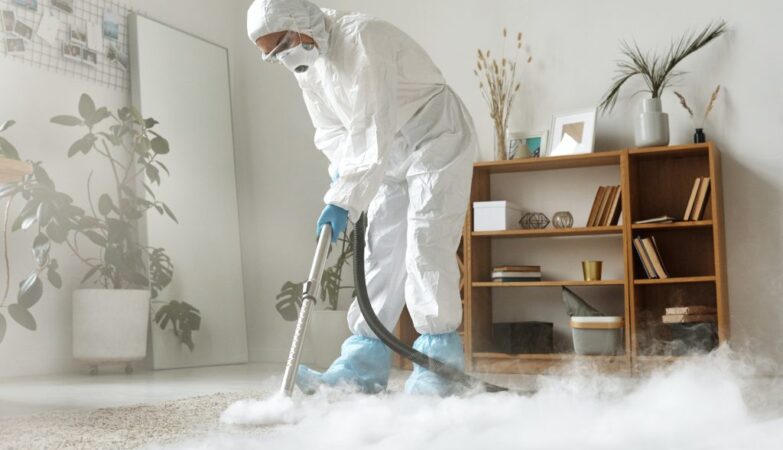
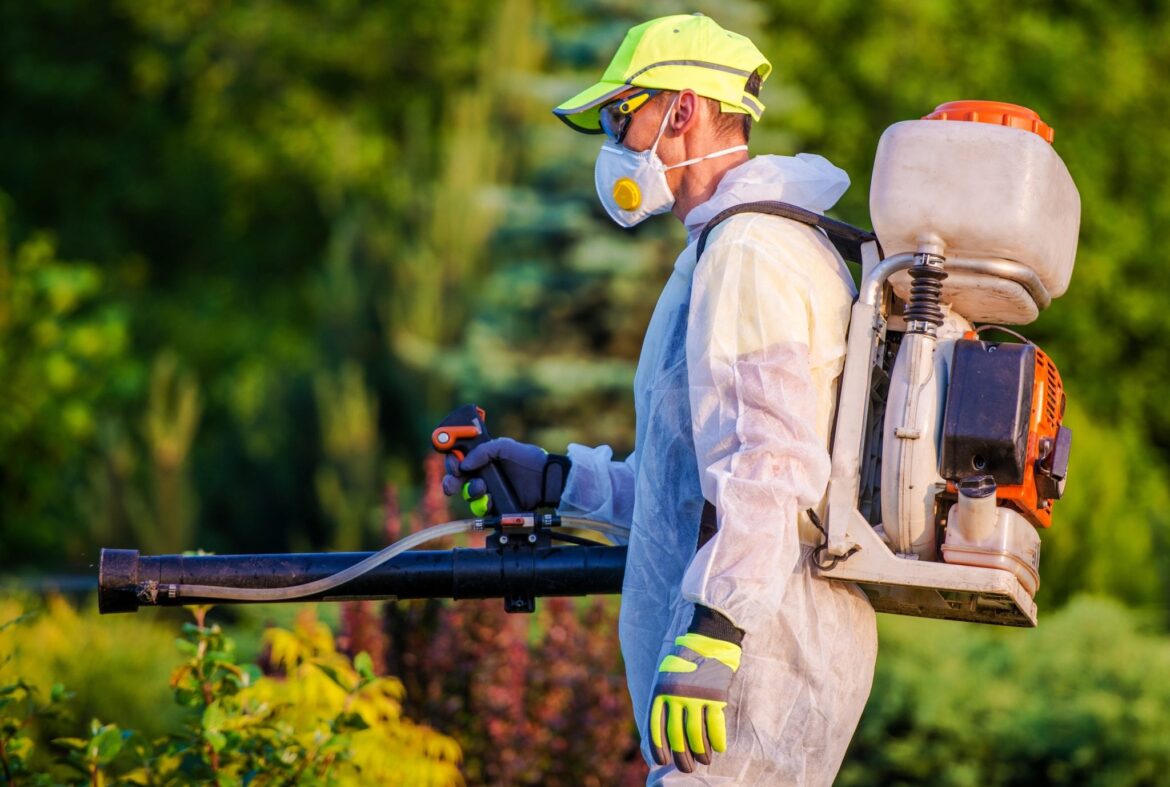
Homeowners can safely deal with the majority of wasp problems, but they can sometimes get out of hand, especially when nests are large, in hard-to-reach areas, or with aggressive species. At Pointe Pest Control, we can identify the wasp species and the local architecture where nests are located in the St. Louis area. They target removal techniques that not only remove existing infestations but also limit future activity. It is even more beneficial when you have clusters of nests or when wasps are deeply settled in bricks.