Vancouver, which is in the Willamette Valley, is close to the Cascade Range foothills. Pest problems are reported across all areas of this city. Homes near Waterfront & Columbia Way frequently have infestations concerning mosquitoes, midges, and American Cockroaches, thanks to the proximity to Vancouver Lake wetlands. New development in Fisher’s Landing & Cascade Park displaces field mice and voles, which eventually move to local homes, while older homes in Hough & Arnada have more subterranean termites and odorous house ants.
Knowing the seasonal pest trends will help you understand when to call experts for a property audit. Consider choosing a renowned local service in Portland, such as Pointepest.com, which has trained technicians who are aware of seasonal and area patterns. The Pointe team also offers ongoing plans, which are great for preventing infestations. Here is a quick review of what pests you can expect in each season.
Spring Months
Between March and May, subterranean termites start swarming in Vancouver. As the soil temperatures increase and spring rains saturate the ground, termites look for new wood sources. Spring is also about ants, including odorous house ants that start moving from the wet yard areas into kitchens. Keep an eye out for discarded wings and visible ant trails. Professional technicians usually like to focus on systemic barriers during spring inspections, which involves using non-repellent products that termites carry back to colonies.
Summer Pest Peak
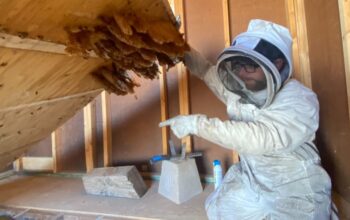
Although summers are mild in Vancouver, the dry months of July and August push pests from other areas into yards that have irrigation systems. This is the time to spot yellow jackets and hornets in the eaves, which remain favorite spots for nesting. Pests like earwigs and silverfish move from mulch beds into bathrooms and damp areas of the house, and the trend is more evident near Pearson Airfield and the city center.
Fall Migration
As night temperatures drop in the Clark County area, pests prepare for overwintering. Norway rats and roof rats are two rodent species that start scouting for spaces to hide. You will be surprised to know these pests can enter through small gaps to get inside attics. Fall is also when giant house spiders and cross spiders start emerging, and if you see spiders more often, it is a sign of other insects.
Winter Indoor Concerns
Homeowners who fail to take steps in the fall often find pests inside rooms during the Vancouver winter. Rodents that have entered the house earlier will start gnawing on almost anything they find, which can mean hearing sounds at night. There are also other hidden spots you can find, including silverfish and cockroaches, which hide behind water heaters and dishwashers due to constant temperatures.
Choose a Preventive Pest Control Plan in Vancouver
If you think DIY steps are effective, you are mistaken. Sprays, gels, and those products from the local market work as repellents, which increases the risk of pests spreading to new areas. Also, the surface relief that you get isn’t unlikely to last. The best idea is to get a preventive plan from a professional service. Technicians will come over for seasonal inspections and review whether there are hidden problems. They will also consider preventive treatments where necessary, such as using barriers in the soil to prevent insects from getting inside in the spring.
The price of ongoing pest control in Vancouver may sound high, but if you consider the cost of remediation or fixing infestations, the costs could be 4x higher. Seasonal patterns in the city often mean ongoing pest cycles, which is why instant-relief products are ineffective. Call a local service today and ask the technicians to audit your home. You can also expect a detailed report for the inspection.