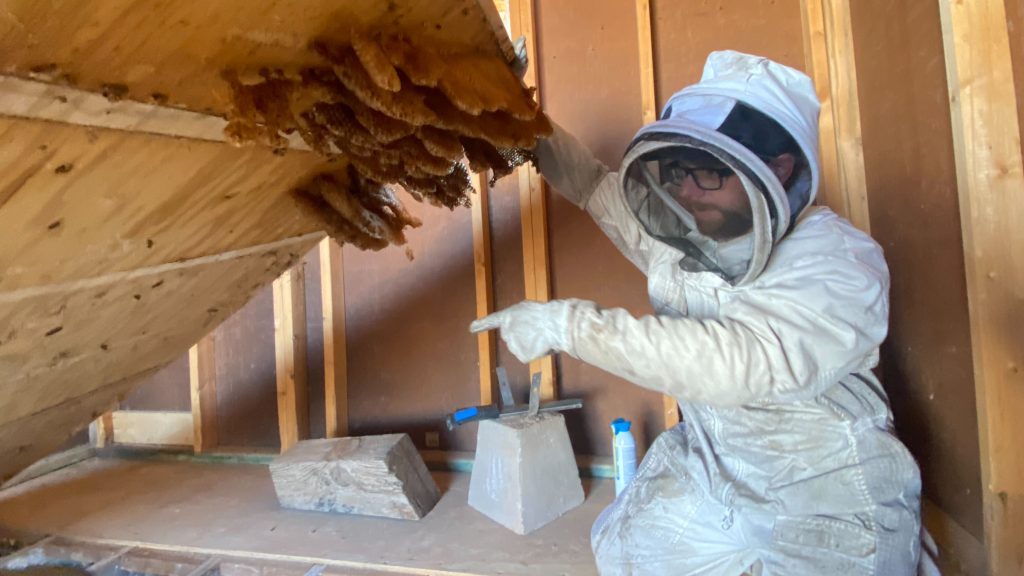
Bees are important to Arizona’s desert environment. However, many people are concerned about the presence of beehives near homes. These creatures are brought closer to people due to warm weather, urban growth, and water sources. Myths may lead to panic or poor decisions. That is why it is best to clear up myths versus facts to ensure homeowners respond to bees with confidence and practice beehive control in Phoenix regularly. Below are common myths and facts about beehives:
Myths: Beehives Can Only Be Found in Rural Areas
Many people think that beehives belong in open desert or farmland. This idea does not hold up in Phoenix. Urban neighborhoods in the city offer shelter, water, and flowering plants to bees. Also, bees can nest in trees, wall voids, rooflines, sheds, and irrigation boxes. They can forage in residential landscapes with citrus trees, flowering shrubs, and backyard gardens. Bees adapt and est closer to homes as the metro area expands.
Fact: Phoenix Heat Shapes Beehive Behavior
Extreme heat affects how bees choose nest locations. Colonies seek shaded areas that stay cool during the hottest months. These areas can include wall cavities, eaves, and attic spaces. Also, bees need to have access to water. They are usually drawn to pools, birdbaths, leaky spigots, and irrigation runoff during dry periods.
Myth: All Bees Are Aggressive
Many people assume any beehive poses immediate danger. This myth leads to rushed removal attempts or unsafe reactions. Most honey bees prefer to avoid conflict and focus on foraging and hive care. But their defensive behavior may increase when a hive feels threatened. Africanized honey bees respond faster to threats, yet they do not attack without cause.
Fact: Beehives Can Grow Fast
A colony can grow rapidly once it settles into a good location. Bees remain active for much of the year due to warm temperatures in Phoenix. A small hive can expand into a large colony within weeks. As population grows, honeycomb expands. This growth may cause staining, odors, or structural issues in wall voids or roofs.
Myth: Bees and Wasps Are the Same
Many people use the terms bee and wasp as if they mean the same thing. This myth causes confusion during inspections and treatment decisions. Bees collect pollen and nectar. Wasps hunt insects and scavenge food.
Bees appear fuzzy and move between flowers. Wasps have smoother bodies and sharper movements. Correct identification is important because removal methods differ.
Fact: DIY Removal May Make Problems Worse
Online advice sometimes encourages spraying or sealing hive openings. These methods may fail in Phoenix homes. Closing an entry point traps bees inside walls, which leads to new exit holes through drywall or ceilings. Sprays may kill surface bees yet leave the queen and brood unharmed. Survivors rebuild or spread deeper into structures. Improper removal also raises the risk of stings.
Myth: Beehives Mean the Home Is Dirty
Bees do not seek trash or food scraps. Rather, they look for shelter and nearby plants. Well-kept homes with lush landscaping attract bees. They can take advantage of gardens, flowering trees, and water features for their foraging habits. This myth unfairly links infestations to poor upkeep, which delays honest discussion and prompt action.
Fact: Swarms Are Temporary Events
Thousands of bees cluster on a tree, fence, or wall, which looks dramatic. Many believe a swarm means an active infestation has started. In most cases, swarms rest while scout bees search for a new home. These clusters may move on within a day or two. Swarms usually show calm behavior since they have no hive to defend.
Myth: Removing the Bees Solves Everything
Some assume that the problem ends once bees leave. This belief ignores leftover honeycomb and scent trails. Residual wax and honey attract new bees, ants, and other pests. Leftover honey may melt and seep through walls or ceilings. Proper hive removal includes clearing comb and sealing entry points.
Fact: Seasonal Patterns Affect Hive Activity
Spring encourages swarming as colonies grow and divide. Summer heat pushes bees toward shaded structures and water sources. Fall sees reduced movement, though colonies remain active. Winter slows activity but does not eliminate it.